Our theoretical astrophysics group works on dense star clusters, gravitational-wave sources, neutron stars and black holes, binary and triple stars, exoplanets, and, increasingly, on developing artificial-intelligence methods. We are based at the Center for Interdisciplinary Exploration and Research in Astrophysics (CIERA) at Northwestern, and several of us are also members of the NSF-Simons AI Institute for the Sky (SkAI).
Research areas
AI and machine learning
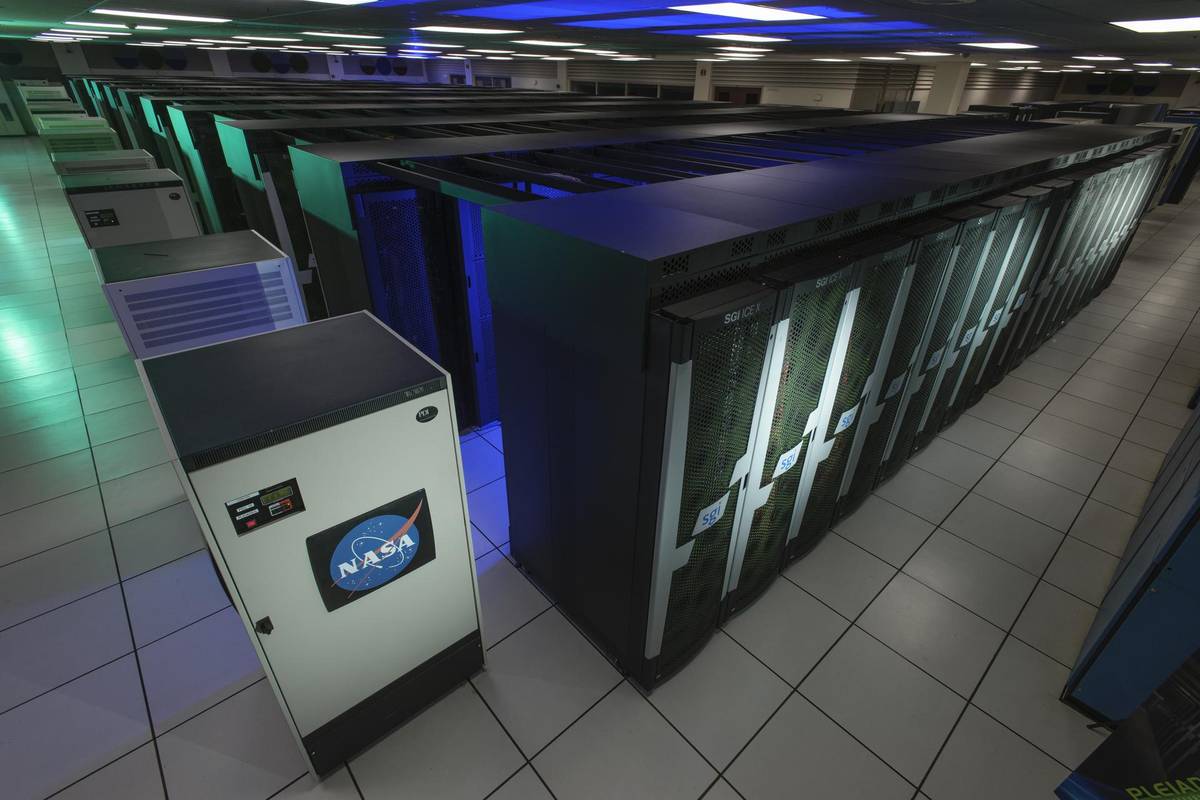
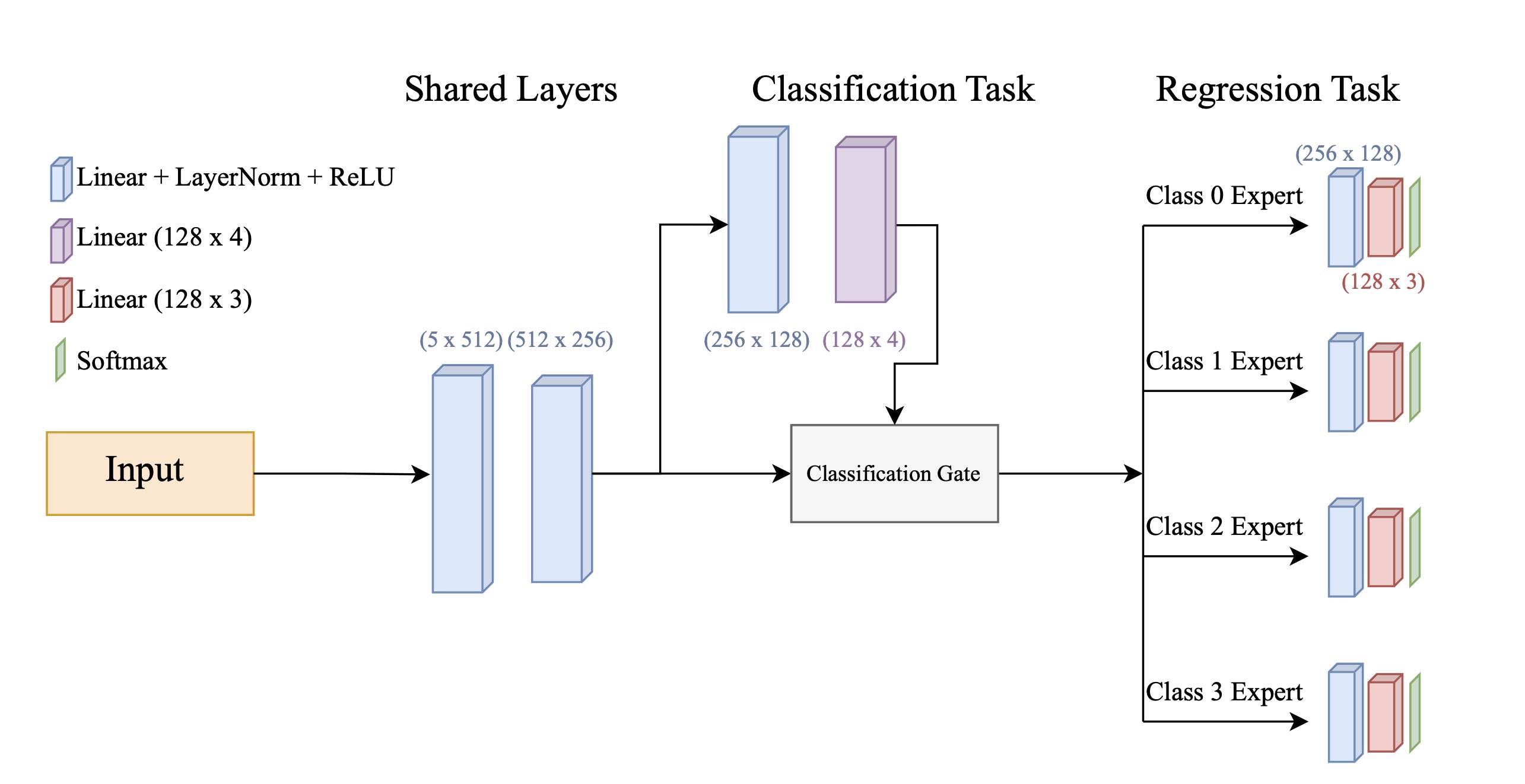
We develop machine-learning methods to accelerate astrophysical simulations. For example we have an ongoing project to train emulators on hundreds of thousands of hydrodynamic simulations to predict stellar-collision outcomes in milliseconds. The models are released publicly as the collAIder package and are being integrated into N-body and cluster-scale simulations to replace expensive on-the-fly hydrodynamics. This work is done in close collaboration with AI experts through the NSF-Simons SkAI Institute.
Dynamics of dense star clusters
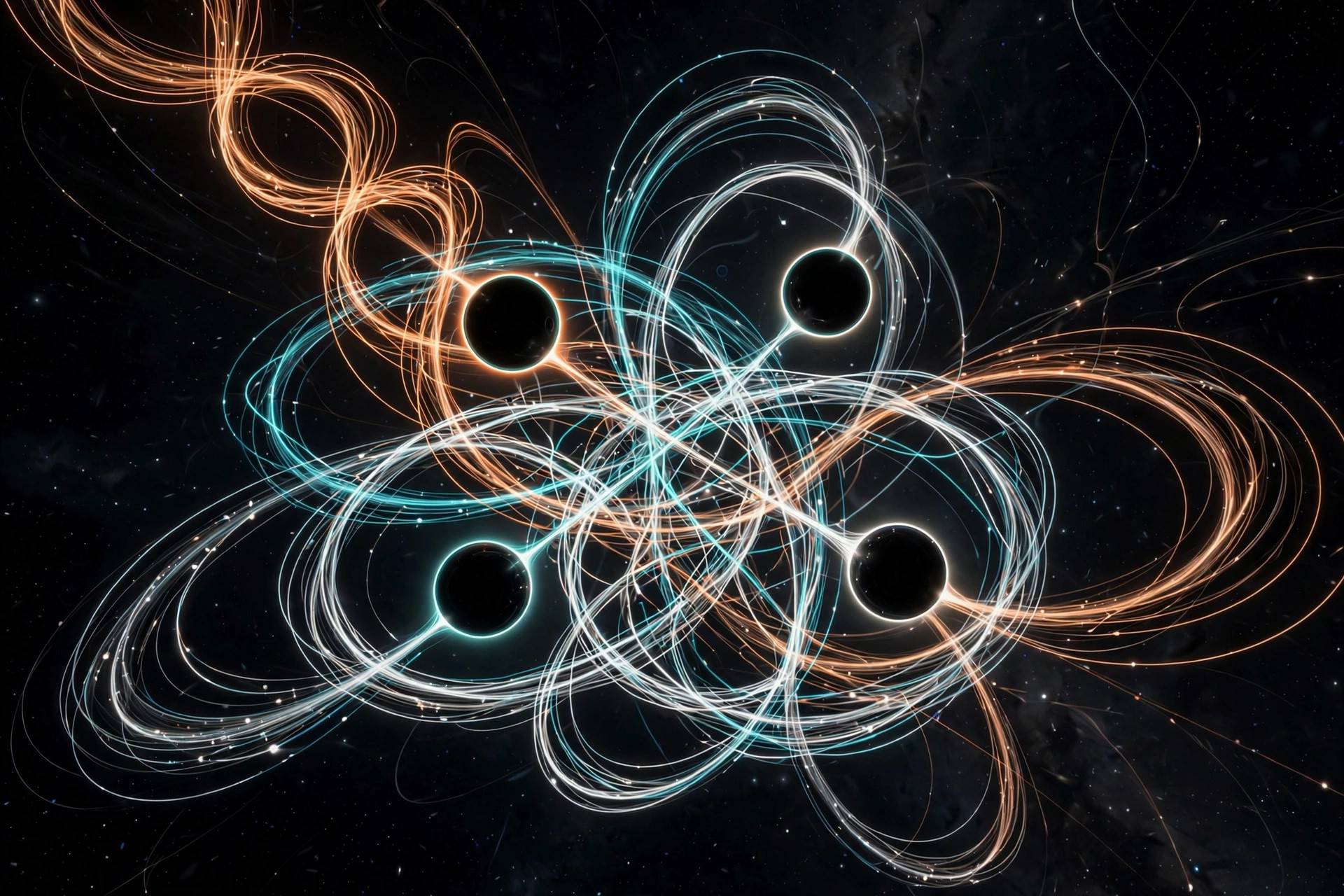
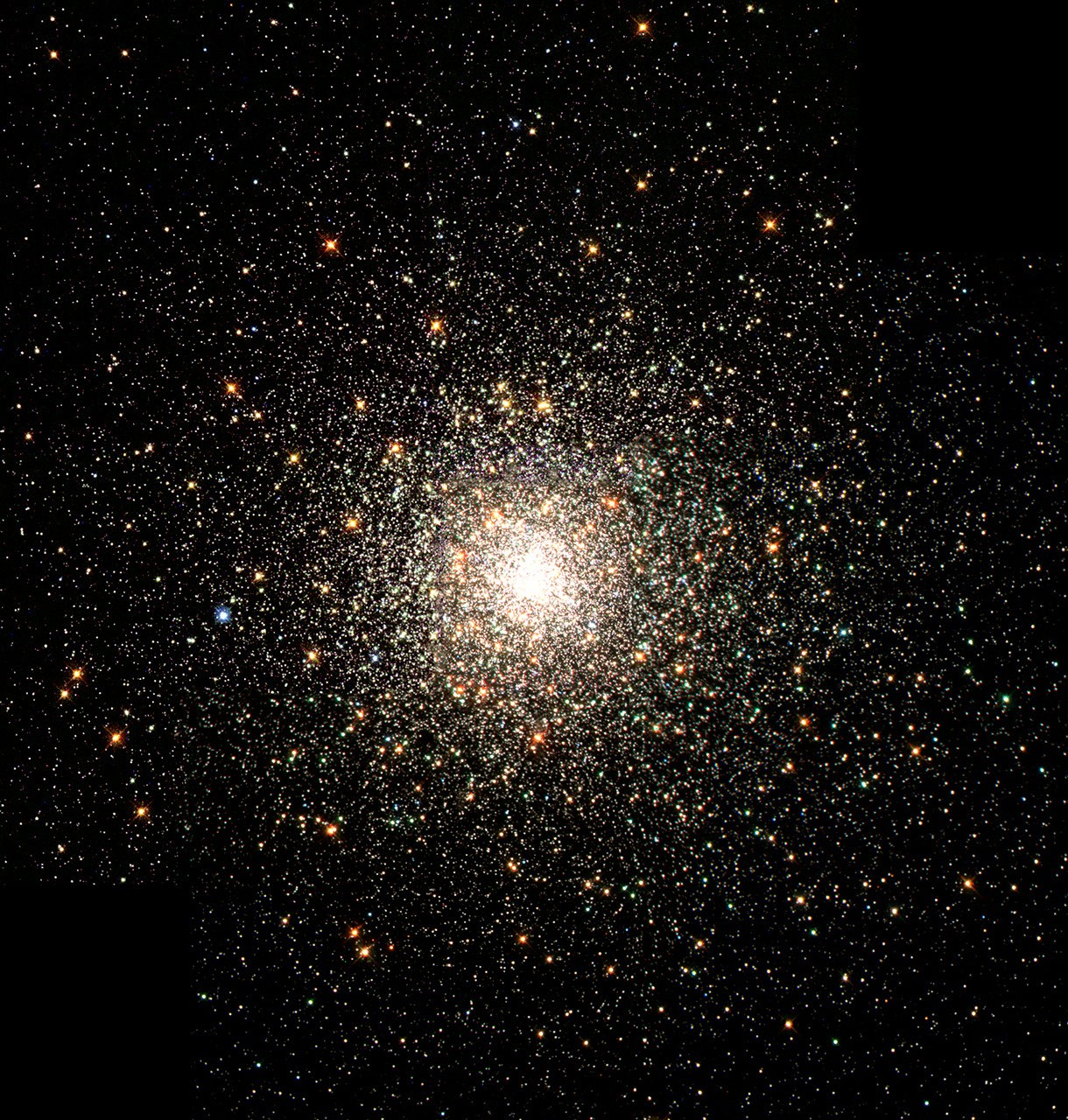
We study the complex stellar dynamics of globular clusters and galactic nuclei, including the interactions of stars with the massive black holes at their centers. We develop and apply the Cluster Monte Carlo (CMC) code, the leading tool for full-lifetime simulations of dense stellar systems. Current work includes projects on how "black-hole burning" sculpts binary populations in globular clusters, how stars escape from clusters to populate streams and galactic haloes, and the formation and survival of intermediate-mass black holes through hierarchical mergers, gravitational scatterings, and stellar collisions.
Gravitational-wave astrophysics
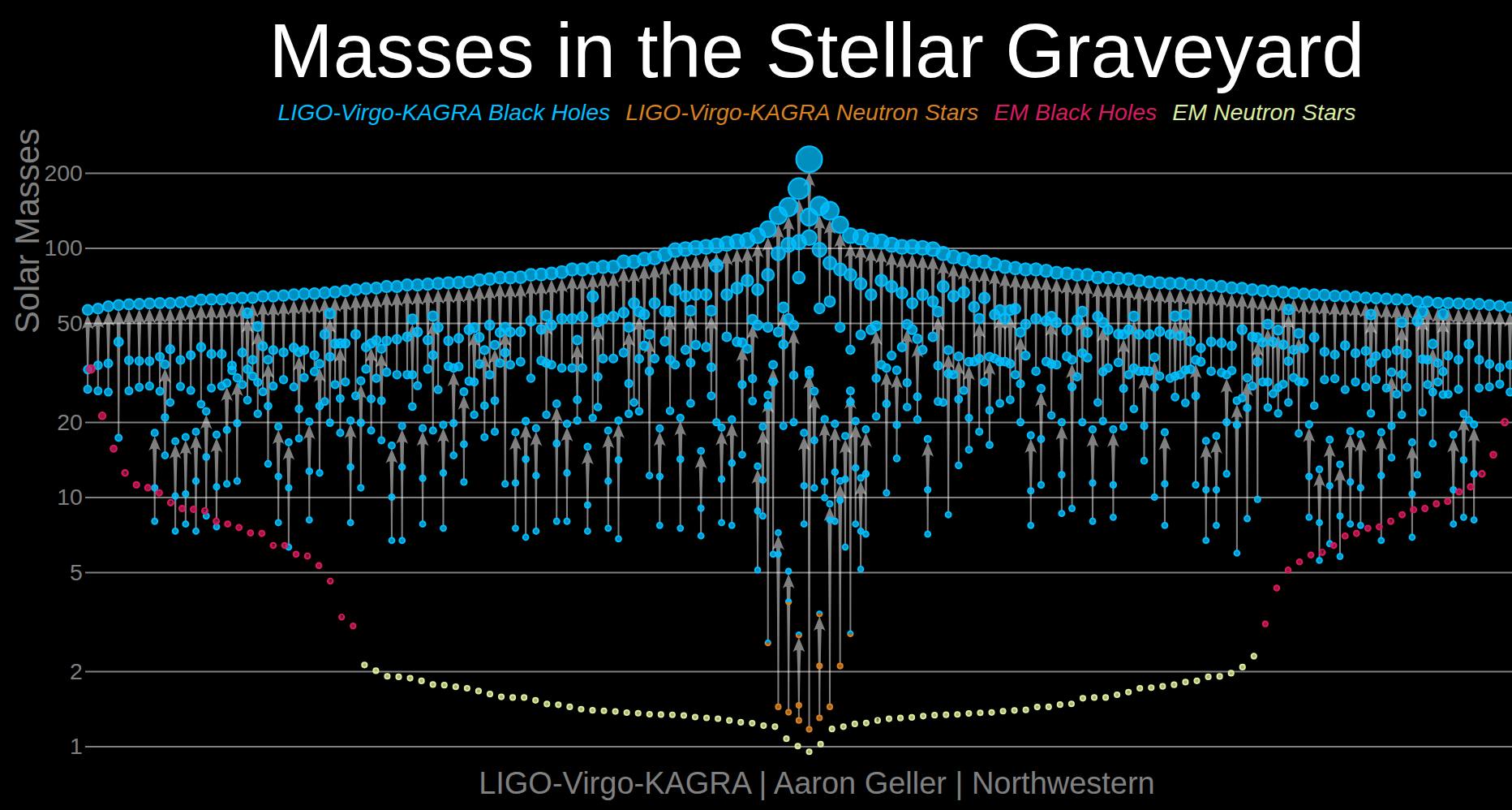
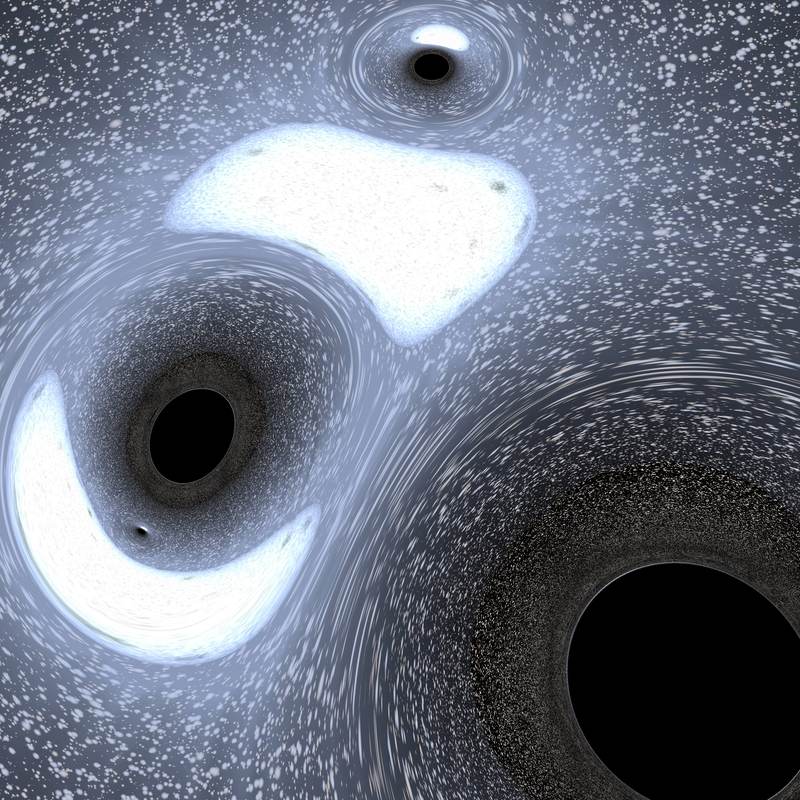
Our group established stellar dynamics in dense star clusters as a major formation channel for the binary black-hole mergers observed by LIGO–Virgo–KAGRA. We predict the masses, merger rates, and spins of these populations, including the contribution of repeated ("hierarchical") mergers. Current projects address spin–orbit alignment through dynamical encounters, how metallicity shapes merger demographics, intermediate-mass black-hole mergers in nuclear star clusters as future LISA and LIGO sources, and the dynamical formation of upper- and lower-mass-gap black holes.
Hydrodynamics of stellar interactions
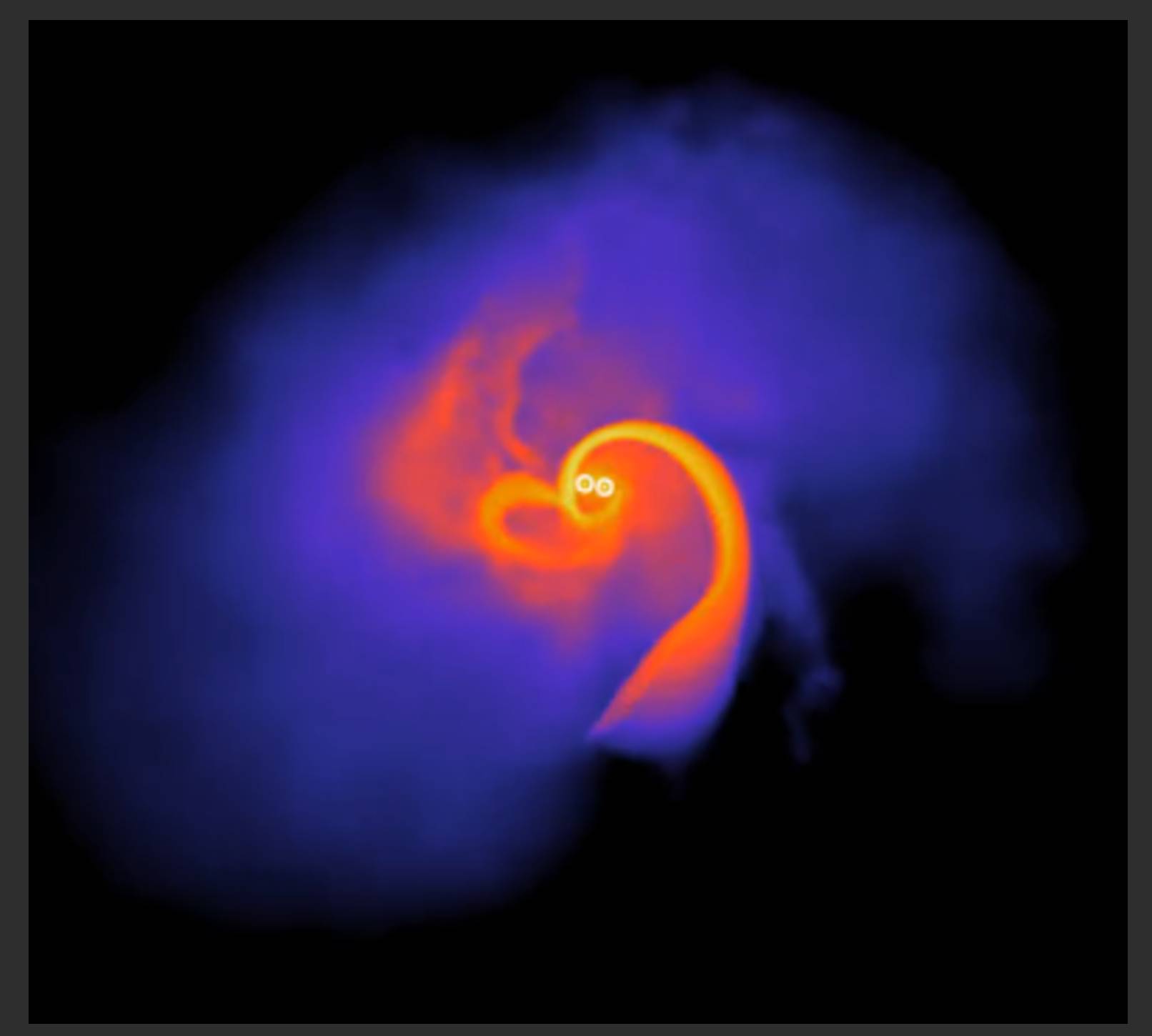
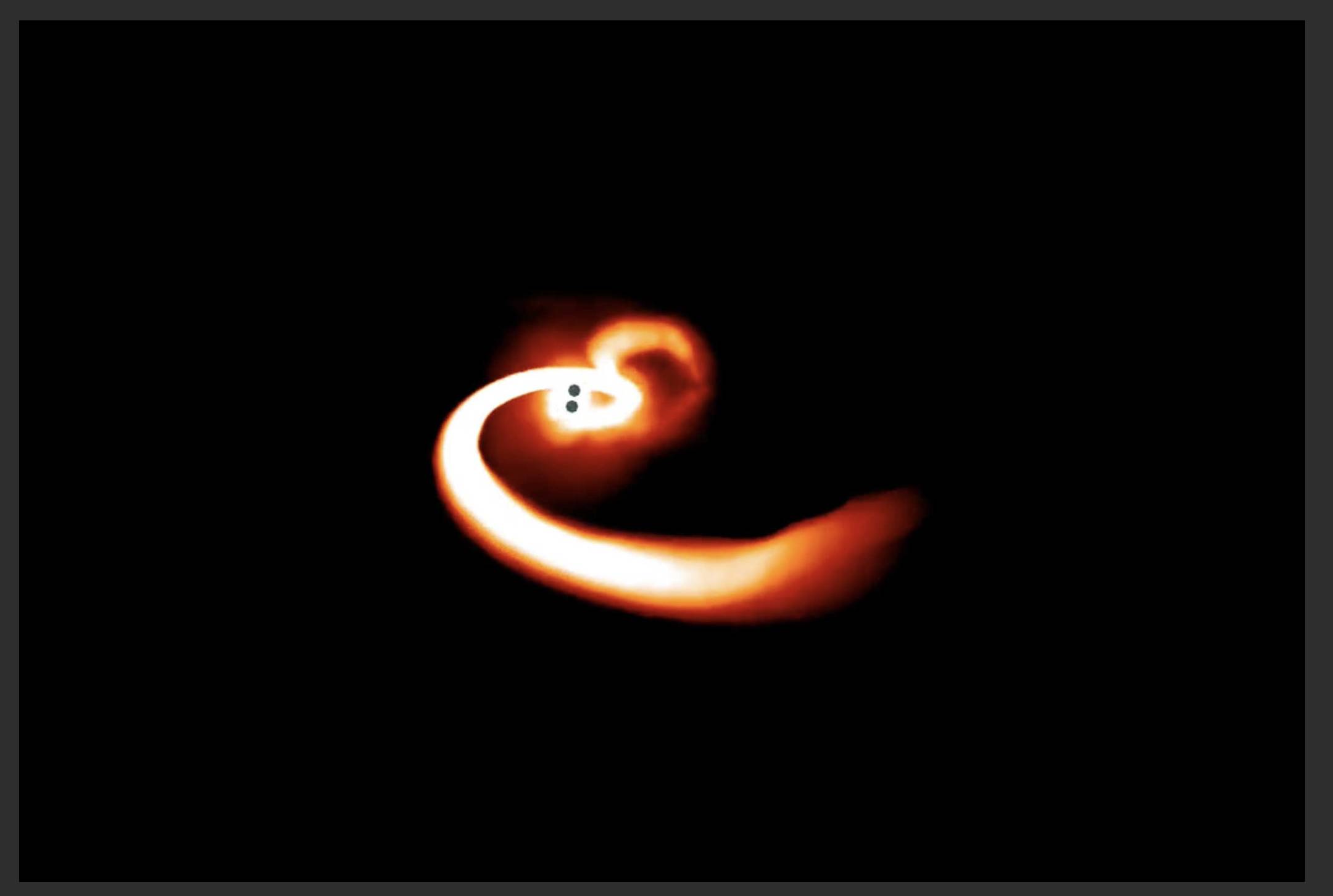
We perform hydrodynamic simulations of stellar collisions, mergers, and tidal disruptions with the StarSmasher smoothed-particle hydrodynamics (SPH) code. This decades-long program spans from collisions during binary encounters to high-resolution simulation suites for galactic nuclei. Current projects model stripped stars near the Galactic center as progenitors of unusual tidal disruption events, partial tidal disruptions of stars by intermediate-mass black holes, and runaway collision sequences that build upper-mass-gap black holes in globular clusters and supermassive black hole seeds in protogalactic nuclei.

Exoplanets
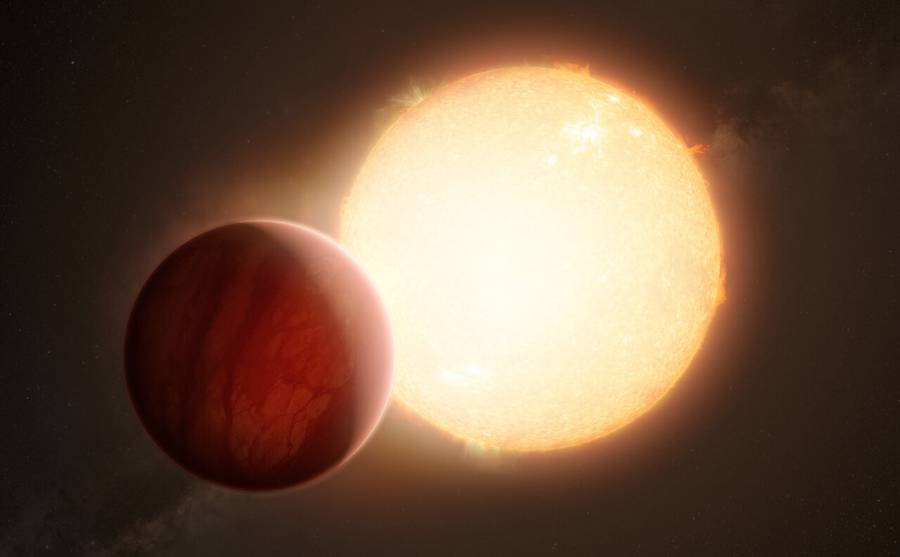
We study the dynamical evolution of extrasolar planetary systems, from planet–planet scattering as the origin of eccentric exoplanets to hot-Jupiter formation through secular planet–planet interactions. Current work addresses the survival of planetary systems in dense star clusters, how planetesimal flybys break resonant chains in tightly packed systems, and the outcomes of close encounters and grazing impacts between planets.
Current group members
Hydrodynamic calculations of stellar collisions; formation of stripped stars; modeling of globular cluster dynamics with realistic initial conditions.

Dynamical evolution of dense stellar systems and compact-object formation, especially intermediate-mass black holes from stellar collisions; machine-learning emulators for stellar collisions.
Black-hole accretion and spin-up through stellar collisions; spin-orbit alignment in merging binary black holes; hydrodynamics of stellar mergers and tidal disruptions.
Check out this very nice talk given recently by Fulya at KITP (17-min YouTube video): Spins as Tracers of Black Hole Growth in Young Massive Clusters.
Dynamics of triple star systems; spin-orbit alignment in dynamically formed binary black holes; dynamics of massive black holes in star clusters; generative AI for gravitational scattering problems.
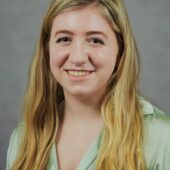
Intermediate-mass black-hole formation through hierarchical mergers in galactic nuclei.
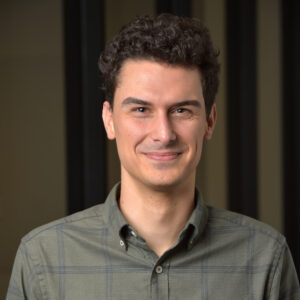
Dynamics of planetary and stellar systems; black-hole binary mergers and compact-object binaries in dense star clusters; tidal interactions, mass transfer, and collisions.

Stellar collisions in galactic nuclei, modeled with hydrodynamic simulations and machine learning; tracing the fates of stellar populations near Sgr A*.
Here is an interview of Sanaea on YouTube: Stellar Dynamics: Plain and Simple.
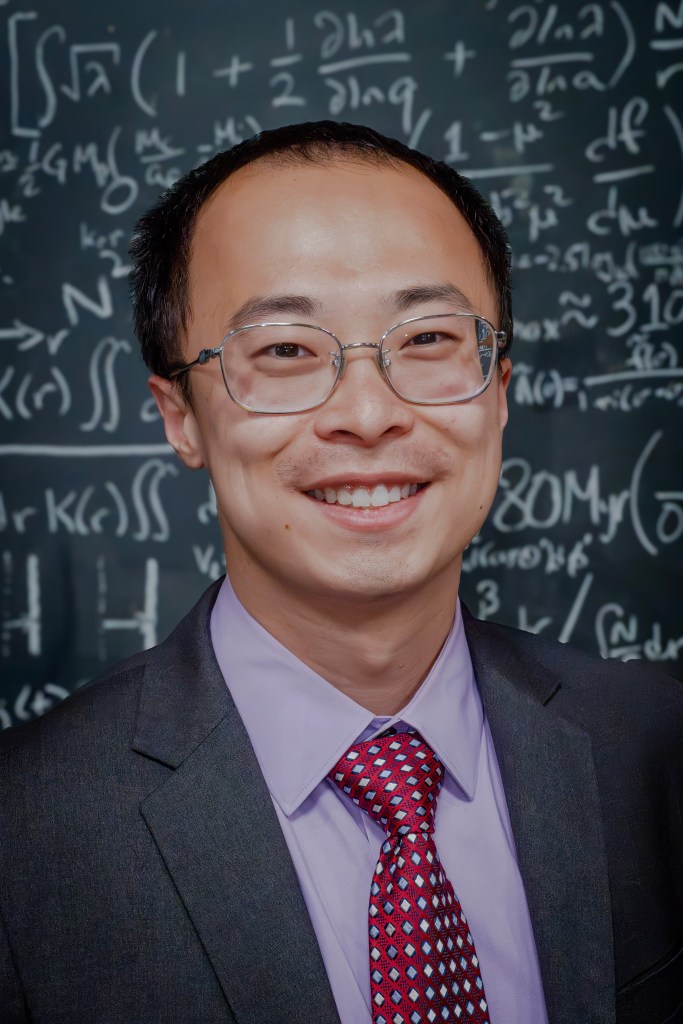

Machine-learning methods for modeling stellar collisions in the Galactic center.

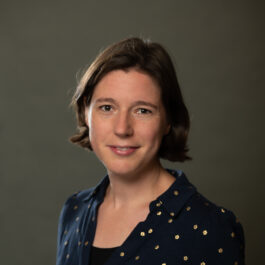
Galaxy formation and evolution, combining galactic dynamics, cosmological simulations, and machine-learning methods; a key collaborator on all of our group’s AI projects.
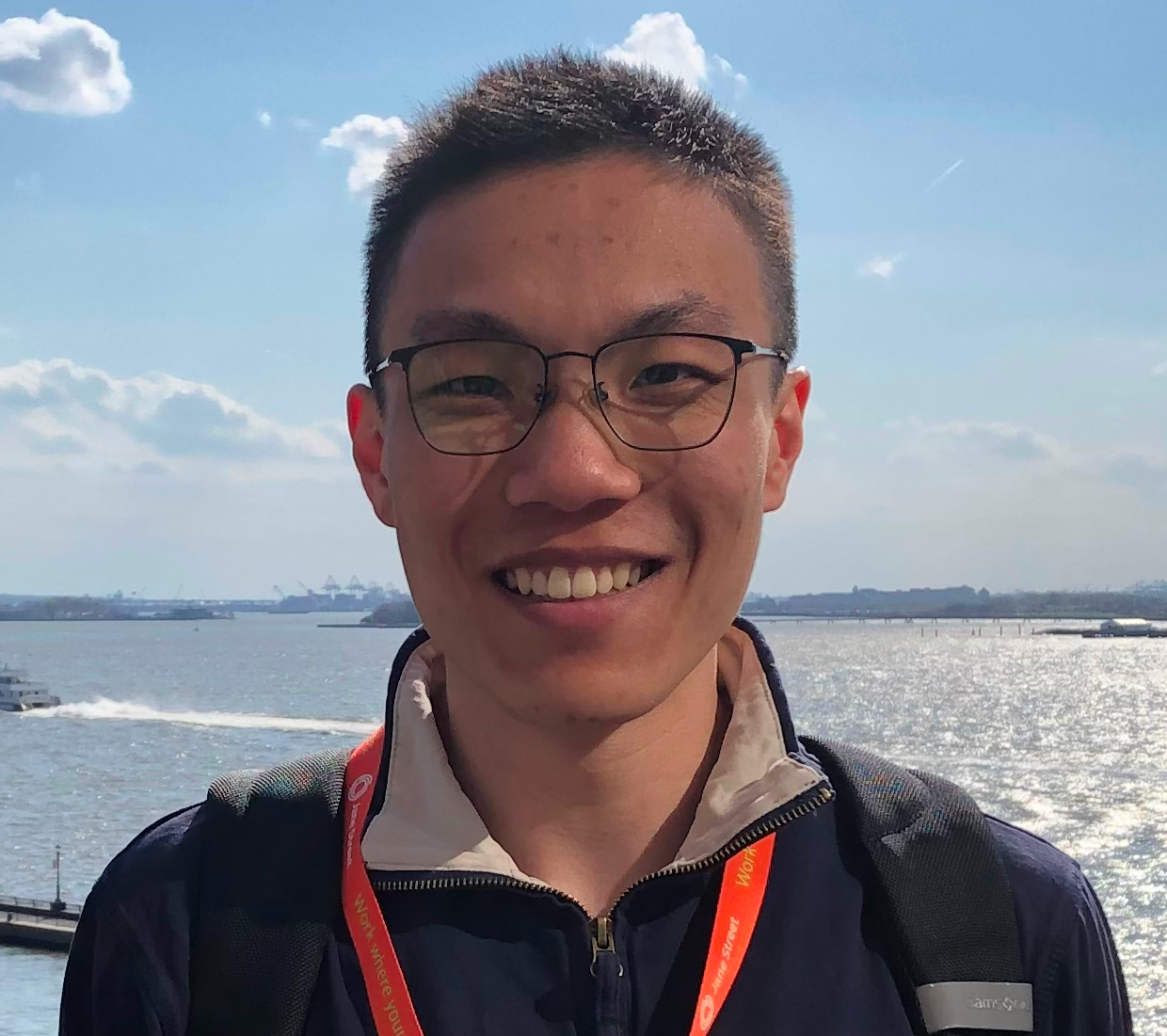
Statistical machine learning methods for astronomy; detection and characterization of the cosmic web; generative AI methods for studying the gravitational three-body problem.

Dynamics of intermediate-mass black hole binaries in dense star clusters.
Former group members
Our former graduate students and postdoctoral researchers are now at universities, observatories, research labs, and companies around the world. See this list of former group members, with notable papers from their time in the group and recent work from those in academia.
Research highlights
Recent AI work
- González Prieto, E., et al. 2026, ApJ, 1005, 131 — "Machine Learning Methods for Stellar Collisions. I. Predicting Outcomes of SPH Simulations." Neural-network models trained on 27,720 SPH simulations predict collision outcomes; released as the public collAIder package. PDF
- Rose, S. C., et al. 2026, ApJ, 1000, 162 — "Modeling Stellar Collisions in Galactic Nuclei Using Hydrodynamic Simulations and Machine Learning." Neural nets match or exceed analytic fitting formulae for high-speed collisions in galactic nuclei. PDF
- Sand, T. C., et al. 2026, submitted — "Using Machine Learning to Model Stellar Collisions in our Galactic Center." Applies collAIder to Galactic-center dynamics: stripped-star populations, collision-induced mergers, and gas injection into the central parsec. PDF
Recent work on Black Holes and Star Clusters
- O’Connor, C. E., Kremer, K. & Rasio, F. A. 2026, ApJ, 1009, 80 — "A Common Origin for Binary Fractions in the Field and in Dense Clusters." Analytical model validated with CMC simulations, showing "black-hole burning" as the engine dissolving soft primordial binaries. PDF
- Agrawal, S., et al. 2026, submitted — "Red vs. Blue: How Metallicity Shapes Black Hole Dynamics and Mergers in Dense Star Clusters." CMC models of how metallicity reshapes black-hole merger populations. PDF
- O’Connor, C. E., et al. 2026, submitted — "Black Hole Mergers from Dense Star Clusters with Realistic Binary Populations." CMC predictions for gravitational-wave merger rates with realistic primordial binaries. PDF
- Martinez, M. A. S., et al. 2026, submitted — "Getting Tilted: Random Walk of Binary Black Hole Spin–Orbit Alignment in Dense Star Clusters." Scattering experiments and Monte Carlo models of spin–orbit misalignment through dynamical encounters. PDF
Recent Hydrodynamics work
- Gibson, C. F. A., et al. 2025, ApJ, 980, 109 — "Formation of Stripped Stars from Stellar Collisions in Galactic Nuclei." StarSmasher SPH models of high-velocity collisions stripping stars — progenitors of unusual tidal disruption events. PDF
- Kıroğlu, F., et al. 2023, ApJ, 948, 89 — "Partial Tidal Disruptions of Main-sequence Stars by Intermediate-mass Black Holes." Hydrodynamic simulations of stellar encounters with intermediate-mass black holes. PDF
- Kıroğlu, F., et al. 2025, ApJ, 979, 237 — "Black Hole Accretion and Spin-up through Stellar Collisions in Dense Star Clusters." How physical collisions between black holes and stars grow black-hole masses and spins, leaving imprints on gravitational-wave signatures. PDF
Recent work on Exoplanets
- Li, J., O’Connor, C. E. & Rasio, F. A. 2026, ApJL, 998, L5 — "Intruder Alert: Breaking Resonant Chains with Planetesimal Flybys." PDF
- Kremer, K., et al. 2019, ApJ, 885, 2 — "Probing the Survival of Planetary Systems in Globular Clusters with Tidal Disruption Events." PDF
- Rice, D. R., Rasio, F. A. & Steffen, J. H. 2018, MNRAS, 481, 2205 — "Survival of non-coplanar, closely packed planetary systems after a close encounter." PDF
- Hwang, J., et al. 2018, ApJ, 852, 41 — "Outcomes of Grazing Impacts between Sub-Neptunes in Kepler Multis." PDF
High-impact papers
- Rasio, F. A. & Ford, E. B. 1996, Science, 274, 954 — "Dynamical Instabilities and the Formation of Extrasolar Planetary Systems." [1,074 citations] PDF
- Chatterjee, S., Ford, E. B., Matsumura, S. & Rasio, F. A. 2008, ApJ, 686, 580 — "Dynamical Outcomes of Planet-Planet Scattering." [853 citations] PDF
- Belczynski, K., Kalogera, V., Rasio, F. A., et al. 2008, ApJS, 174, 223 — "Compact Object Modeling with the StarTrack Population Synthesis Code." [761 citations] PDF
- Rodriguez, C. L., Chatterjee, S. & Rasio, F. A. 2016, Phys. Rev. D, 93, 084029 — "Binary Black Hole Mergers from Globular Clusters." [598 citations] PDF
- Naoz, S., Farr, W. M., Lithwick, Y., Rasio, F. A. & Teyssandier, J. 2011, Nature, 473, 187 — "Hot Jupiters from Secular Planet-Planet Interactions." [492 citations] PDF
- Ford, E. B. & Rasio, F. A. 2008, ApJ, 686, 621 — "Origins of Eccentric Extrasolar Planets: Testing the Planet-Planet Scattering Model." [445 citations] PDF
- Rodriguez, C. L., Chatterjee, S. & Rasio, F. A. 2015, Phys. Rev. Lett., 115, 051101 — "Binary Black Hole Mergers from Globular Clusters: Implications for Advanced LIGO." [418 citations] PDF
Citation counts from the NASA Astrophysics Data System, October 2026.
CIERA
I was the Founding Co-Director of the Center for Interdisciplinary Exploration and Research in Astrophysics (CIERA), established at Northwestern in 2009 to facilitate cutting-edge, interdisciplinary research in astronomy, astrophysics, and related STEM disciplines. Today the center brings together some 160 members across a dozen departments, with major research initiatives including Northwestern’s founding partnership in the Giant Magellan Telescope and leadership in the Vera C. Rubin Observatory’s Legacy Survey of Space and Time. CIERA also runs a vigorous education and public outreach program, including summer research experiences for undergraduates (REU), high school students (REACH), and K–12 teachers (RET).
SkAI Institute
The NSF-Simons AI Institute for the Sky (SkAI) is a $20 million National AI Research Institute jointly funded by the NSF and the Simons Foundation and led by Northwestern. I am part of SkAI's senior personnel and many students and postdocs in my group are involved in SkAI-supported projects. Through SkAI we collaborate directly with AI experts on trustworthy machine-learning tools for astronomy — from emulating expensive hydrodynamic simulations to studying the mathematics of chaotic dynamical systems with generative AI tools.